Introduction
The history of Japan from the Muromachi period (1338–1573) to the Meiji period (1868–1912) represents a dynamic sequence of political, social, and cultural transformations that shaped the nation into a modern state. During these centuries, Japanese History witnessed the consolidation and evolution of samurai governance, the rise and fall of feudal regimes, the unification of the country under powerful warlords, the transition to centralized imperial authority, and the modernization of society, economy, and culture. Understanding this era provides crucial insights into the political strategies, cultural developments, and social changes that laid the foundation for contemporary Japan.
Muromachi Period (1338–1573)
Overview of the Muromachi Period in Japanese History
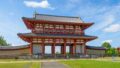
The Nara Period (710–794) is one of the most significant eras in Japanese history, marking the establishment of an organized centralized state, the rise of Buddhism as a political force, and the formation of lasting cultural foundations. During this age of Ancient Japan, the imperial court at Heijō-kyō (Nara) adopted complex institutions influenced by Tang China, shaping governance, religion, and literature for centuries.
① Social and Cultural Characteristics
- Establishment of the Ashikaga Shogunate and Feudal GovernanceAshikaga Takauji officially established the Muromachi shogunate in 1338, centralizing political power in Kyoto while granting substantial autonomy to regional daimyō. This dual structure balanced centralized authority with local feudal control.Key elements:
- Shogun controlled Kyoto and national ceremonies, while daimyō exercised military and administrative power in provinces.
- Emergence of shugo and daimyō councils to manage local conflicts, taxation, and land disputes.
- Decentralization led to frequent regional skirmishes, setting the stage for the Sengoku period.
- Onin War (1467–1477) and the Decline of Central Authority
The Onin War exemplified the instability of the late Muromachi period. Conflict between rival factions of the Ashikaga family escalated into widespread civil war in Kyoto.
Consequences:- Kyoto’s aristocracy and court lost authority.
- Regional daimyō gained de facto independence.
- This fragmentation accelerated the transition toward the Sengoku period, marking the rise of localized feudal warfare in Japanese History.
- Cultural Flourishing: Zen Buddhism, Noh, and Ink Painting
Despite political instability, Muromachi Japan experienced a cultural golden age influenced by Zen Buddhism:
- Zen temples became centers of learning, meditation, and the arts.
- Noh theater, developed by Kan’ami and Zeami, reflected refined aesthetics, minimalism, and Japanese spiritual sensibilities.
- Ink painting (sumi-e) and Japanese gardens (karesansui) flourished under Zen influence, emphasizing simplicity and harmony with nature.
- Economic Development and Trade
- Growth of shōen estates and merchant towns (jinai-machi) facilitated regional trade.
- Foreign trade with China (Ming dynasty) and Korea expanded, influencing ceramics, textiles, and culture.
- The rise of guilds and urban centers strengthened the economic foundation of medieval Japan.
② Symbolic Events and Figures
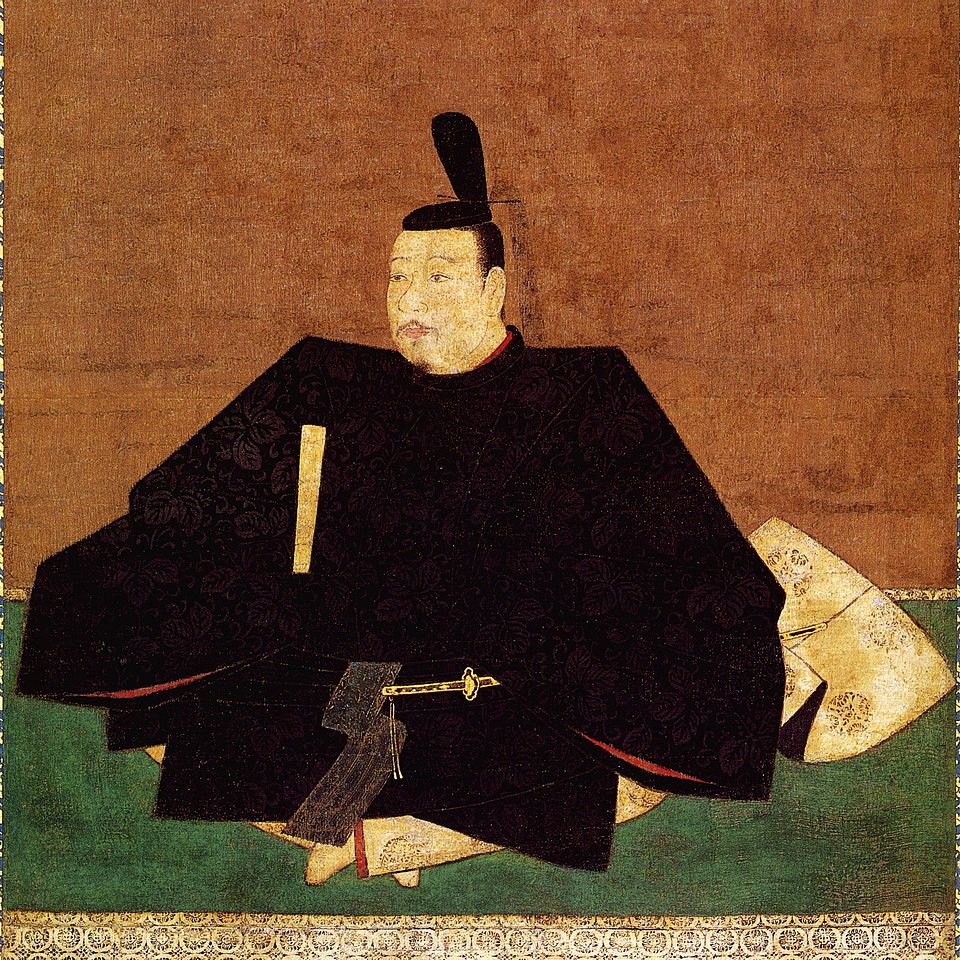
- Ashikaga Takauji: Founder of the Muromachi shogunate, consolidating samurai rule and balancing feudal governance.
- Ashikaga Yoshimitsu (Third Shogun): Expanded political authority, patronized the arts, and oversaw the construction of Kinkaku-ji, symbolizing the integration of politics and culture.
- Kan’ami and Zeami: Pioneers of Noh theater, blending Zen aesthetics with performance art.
- Sesshū Tōyō: Master of ink painting, reflecting the deep influence of Zen in Muromachi visual culture.
 (Cite: Wikipedia)
Azuchi–Momoyama Period (1573–1600)
Overview of the Azuchi–Momoyama Period in Japanese History
The Heian period marks a defining era in Japanese history, characterized by the rise of aristocratic society, the establishment of regency governance under the Fujiwara clan, and the flourishing of Japanese court culture (Kokufū Culture). This period witnessed the development of uniquely Japanese art, architecture, and literature, alongside the gradual emergence of the warrior class in the provinces. In the broader context of Japanese History, the Heian period laid the foundations for medieval political and cultural structures that shaped subsequent eras, including the Kamakura shogunate.
① Social and Cultural Characteristics
- Political Consolidation and Unification
- Oda Nobunaga initiated the process of national unification by defeating rival daimyō and weakening traditional Buddhist military power.
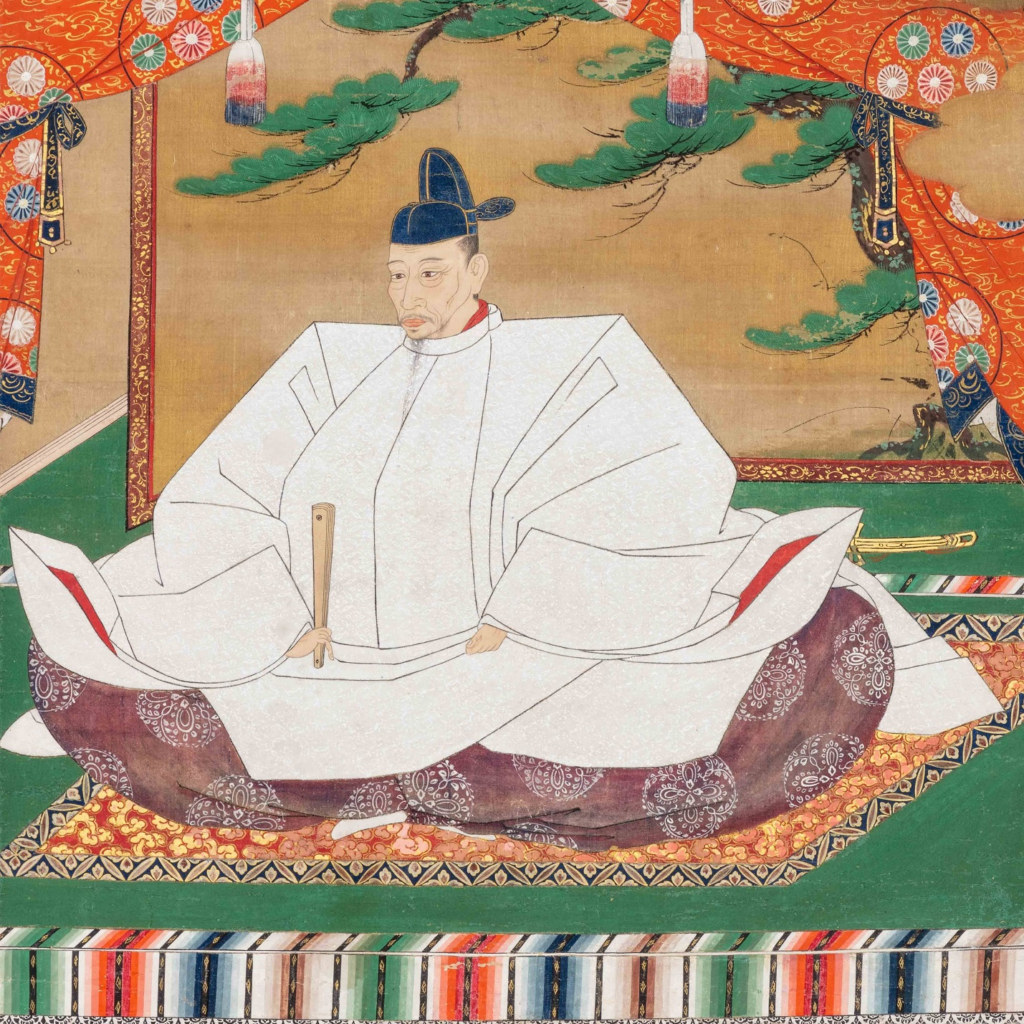
- Toyotomi Hideyoshi completed the unification of Japan, centralizing political authority while maintaining the samurai as administrators of land and military service.
- Key governance measures included:
- Land surveys (taikō kenchi) to assess taxable holdings and standardize revenue.
- Rigid social hierarchy separating samurai, peasants, artisans, and merchants.
- Control over the mobility and loyalty of the samurai through strategic allocation of fiefs.
- Castle Towns and Military Architecture
- Construction of grand castles, such as Azuchi Castle and Osaka Castle, symbolized centralized authority and military power.
- Castles served as political, military, and cultural centers, integrating residences, administrative offices, and ceremonial halls.
- Castle towns (jōkamachi) developed around these strongholds, becoming hubs for commerce, craftsmanship, and urban culture.
- Cultural Flourishing
- Patronage of the arts by Nobunaga and Hideyoshi led to innovations in the tea ceremony (chanoyu), Namban art reflecting European influence, and refined architecture and garden design.
- The tea ceremony, under Sen no Rikyū, became a symbol of political sophistication and aesthetic taste, emphasizing harmony, respect, purity, and tranquility.
- Cultural exchange with Europeans introduced firearms, Christianity, and decorative arts, influencing both practical technology and artistic expression.
- Economic and Social Developments
- Expansion of domestic commerce and urban centers supported the growing population and castle-based administration.
- Merchants and artisans flourished under the protection of unified military authority, contributing to economic stability and cultural patronage.
- Early urban planning and standardized taxation systems set precedents for Tokugawa-era governance.
② Symbolic Events and Key Figures
- Oda Nobunaga: Revolutionary military strategist who began the process of unifying Japan, reduced the power of militant Buddhist temples, and introduced European firearms to Japanese warfare.
- Toyotomi Hideyoshi: Completed national unification, implemented cadastral surveys, social stratification, and consolidated the authority of the central government.
- Sen no Rikyū: Tea master who formalized the Japanese tea ceremony, combining aesthetics with political and cultural symbolism.
Azuchi and Momoyama Castles: Architectural symbols of centralized power, representing both military strength and cultural refinement.
 (Cite:Wikipedia)
Edo Period (1603–1868)
Overview of the Edo Period in Japanese History
The Edo period, also called the Tokugawa period, represents a transformative era in Japanese History characterized by prolonged political stability, centralized governance under the Tokugawa shogunate, and the development of a unique urban and cultural society. Following the unification efforts of the Azuchi–Momoyama period, Tokugawa Ieyasu established the shogunate in Edo (modern Tokyo), consolidating power through a strict social hierarchy, domestic peace, and a policy of national seclusion (sakoku). This era laid the foundations for the modern Japanese economy, culture, and social organization.
② Social and Cultural Characteristics
- Establishment of the Tokugawa Shogunate and Centralized Governance
- Tokugawa Ieyasu, following victory at the Battle of Sekigahara (1600), became Shogun in 1603, founding the Edo shogunate.
- Central governance relied on a balance of centralized authority and regional daimyō management, enforced through:
- Sankin-kōtai (alternate attendance system) required daimyō to reside in Edo periodically, ensuring loyalty and reducing rebellion risks.
- Rigid social classes: samurai, farmers, artisans, merchants, with legal and social restrictions regulating mobility.
- Control of land through cadastral surveys and strict management of taxation and military obligations.
- National Seclusion (Sakoku) and Controlled Foreign Contact
- Japan largely closed its borders from the 1630s to 1853, limiting foreign trade to selected ports (e.g., Nagasaki) and specific countries (Dutch, Chinese, Koreans).
- This policy ensured domestic stability, regulated the spread of Christianity, and allowed Japanese culture and economy to develop independently.
- Urbanization and Economic Development
- Edo, Osaka, and Kyoto became major urban centers. Edo, in particular, grew into one of the world’s largest cities by population.
- Growth of the merchant class (chōnin), urban markets, and domestic trade led to a vibrant economy despite the rigid social hierarchy.
- The emergence of financial institutions, guilds, and transport networks facilitated commerce and regional integration.
- Cultural Flourishing: Edo Arts and Literature
- The Edo period witnessed the rise of ukiyo-e (woodblock prints), Kabuki theater, and Bunraku puppet theater, reflecting popular urban culture.
- Haiku poetry, led by Matsuo Bashō, and gesaku (satirical fiction) conveyed both aesthetic refinement and social commentary.
- Confucianism guided samurai ethics and education, while Neo-Confucian philosophy influenced governance, social norms, and moral education.
- Tea ceremonies, ikebana, and garden design continued to evolve, combining refined aristocratic traditions with urban culture.
- Social Stability and Public Order
- Prolonged peace reduced the need for military campaigns, shifting samurai roles toward administration, education, and bureaucratic service.
- Public works, flood control, and infrastructure projects facilitated agricultural production and urban safety.
- Strict enforcement of laws and class hierarchy maintained social stability, ensuring over two centuries of internal peace (Pax Tokugawa).
② Symbolic Events and Figures
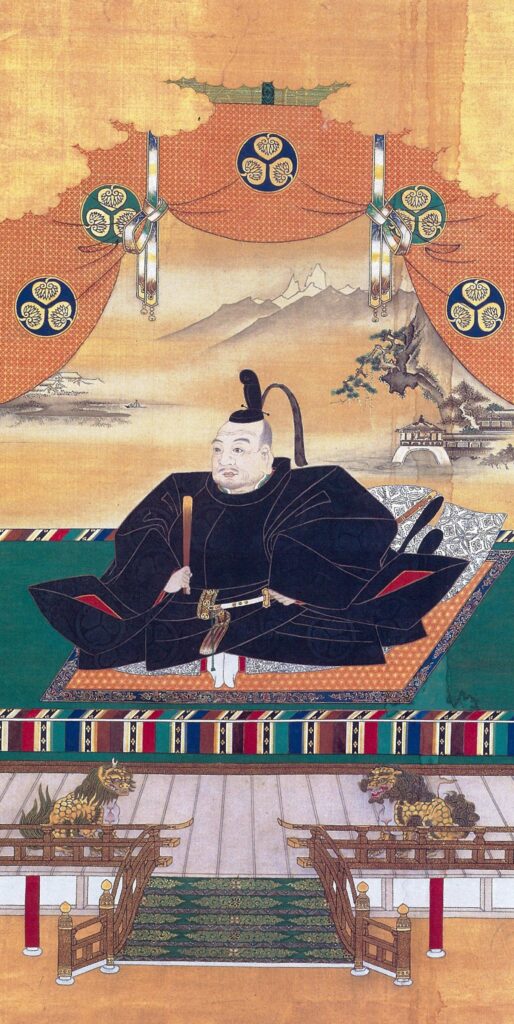
- Tokugawa Ieyasu: Founder of the Tokugawa shogunate, architect of centralized governance and the sankin-kōtai system.
- Tokugawa Hidetada: Consolidated Ieyasu’s policies and oversaw early urban development in Edo.
- Matsuo Bashō: Master of haiku, symbolizing Edo-period literary refinement and the cultivation of Japanese aesthetics.
- Chikamatsu Monzaemon: Founder of Bunraku and Kabuki drama, reflecting urban popular culture.
- Katsushika Hokusai and Utagawa Hiroshige: Ukiyo-e masters whose works captured landscapes, daily life, and popular imagination.
- Sakoku Policy Implementation: Represented Japan’s controlled foreign engagement, ensuring domestic stability and cultural continuity.
 (Cite: Wikipedia)
Meiji Period (1868–1912)
Overview of the Meiji Period in Japanese History
The Meiji period represents a transformative era in Japanese History, marking the transition from feudal governance under the Tokugawa shogunate to a modern, centralized state. Following the Meiji Restoration of 1868, Emperor Meiji and his government pursued radical reforms in politics, economy, society, and culture to modernize Japan along Western lines while preserving national identity. This period laid the foundation for Japan’s emergence as a modern nation-state and a major player in global affairs.
① Social and Cultural Features
- Political Centralization and the Meiji Restoration
- The Meiji Restoration restored imperial authority and abolished the Tokugawa shogunate, ending over 260 years of feudal rule.
- Key reforms included:
- Abolition of the han system (feudal domains) in 1871 and establishment of prefectures (ken), consolidating central control.
- Creation of a modern bureaucratic system inspired by Western models.
- Introduction of a constitution (Meiji Constitution, 1889) and establishment of a constitutional monarchy with a bicameral legislature (Imperial Diet).
- Modernization and Westernization
- Japan pursued rapid industrialization and economic modernization, establishing railways, telegraph networks, and modern factories.
- Legal, military, and educational systems were reorganized on Western models, including:
- Conscription-based national army
- Modern police system
- The public education system promotes literacy and civic knowledge Western technology, architecture, and fashion influenced urban centers, while traditional Japanese culture was selectively preserved and integrated into the modern identity.
- Social Transformation and Class Reforms
- The rigid Edo-period class system was abolished, creating opportunities for mobility and social reform.
- Samurai privileges were eliminated, and many samurai became bureaucrats, entrepreneurs, or military officers.
- Women’s education began to expand, with schools promoting literacy and skills relevant to modernization.
- Economic Development and Industrialization
- Land tax reform standardized taxation and provided stable government revenue.
- Zaibatsu (industrial conglomerates) emerged, spearheading modernization in textiles, shipbuilding, and banking.
- Modern ports, railways, and communication networks enabled domestic and international trade, integrating Japan into the global economy.
- Cultural and Intellectual Developments
- Japan experienced a blending of Western and Japanese culture, including architecture, literature, painting, and theater.
- Newspapers, journals, and public debates promoted modern ideas, nationalism, and civic awareness.
- Shintō and national history were emphasized to foster a sense of identity and loyalty to the emperor within modern society.
② Symbolic Events and Figures
- Emperor Meiji: Symbol of modernization and national unity; drove political, social, and economic reforms.
- Ito Hirobumi: Architect of the Meiji Constitution and modern governmental structures.
- Fukuzawa Yukichi: Prominent intellectual advocating Western learning and modernization; influential in shaping Meiji society.
- Saigō Takamori: Symbol of the transition from samurai to modern citizen; led the Satsuma Rebellion, highlighting tensions during modernization.
- Industrial Pioneers and Zaibatsu Founders: Shibusawa Eiichi and others who advanced industry and finance, laying the foundation for Japan’s modern economy.
Iwakura Mission (1871–1873): Diplomatic mission to study Western countries, influencing political, legal, and educational reforms.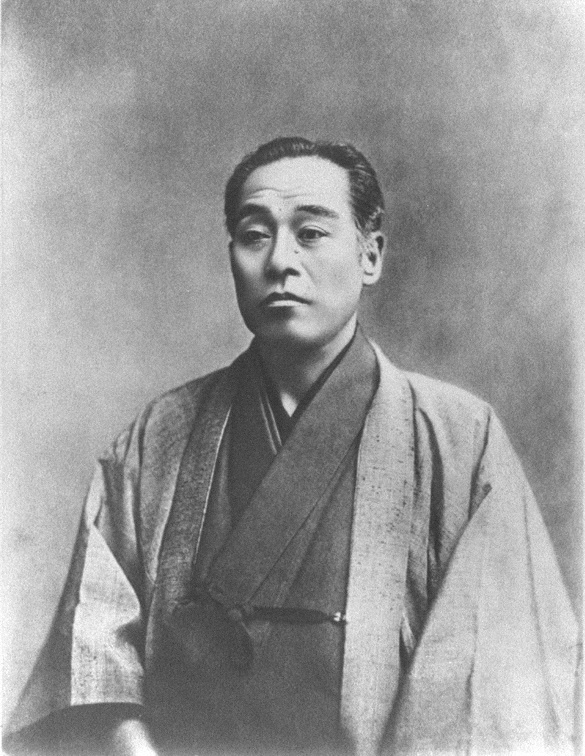 (Cite: Wikipedia)
Summary
The periods from the Muromachi (1338–1573) through the Meiji era (1868–1912) represent a transformative chapter in Japanese History, illustrating the evolution from decentralized samurai governance to a modern, centralized nation-state. The Muromachi period saw the consolidation of samurai power under the Ashikaga shogunate, alongside cultural advancements in Zen Buddhism, Noh theater, and ink painting. The Azuchi–Momoyama period marked the unification of Japan under Oda Nobunaga and Toyotomi Hideyoshi, accompanied by castle construction, urban development, and the flourishing of the tea ceremony and art influenced by European contact.
During the Edo period, political stability under the Tokugawa shogunate enabled economic growth, urbanization, and a rich cultural life, including ukiyo-e, kabuki, and haiku, while the policy of national seclusion maintained social order and domestic development. The Meiji period transformed Japanese History further, with rapid modernization and Westernization, political centralization under the emperor, industrialization, educational reform, and cultural integration of Western and Japanese traditions.
Overall, this era in Japanese History highlights the dynamic interplay of military power, political reform, cultural innovation, and social transformation, forming the foundation of modern Japan and its emergence as a global power.
About Our Site & Hotel Recommendations
Our site provides detailed area-based sightseeing guides for Tokyo travel. We offer insights on culture, food, and events in neighborhoods such as Roppongi and Asakusa, helping visitors make the most of Tokyo Travel.
If you are looking for hotels near these events and attractions, check out the following:
◆ Shinjuku area hotels: here
◆ Shibuya area hotels: here
◆ Roppongi area hotels: here
◆ Asakusa area hotels: here
◆ Shinagawa area hotels: here
The Wonderful Travel Tips
Yuichi Yokoyama

コメント
It’s fascinating how much change occurred between the Muromachi and Meiji periods – a really comprehensive overview. I found some interesting related context on https://tinyfun.io/game/pokemon-merge while researching Japanese culture generally.