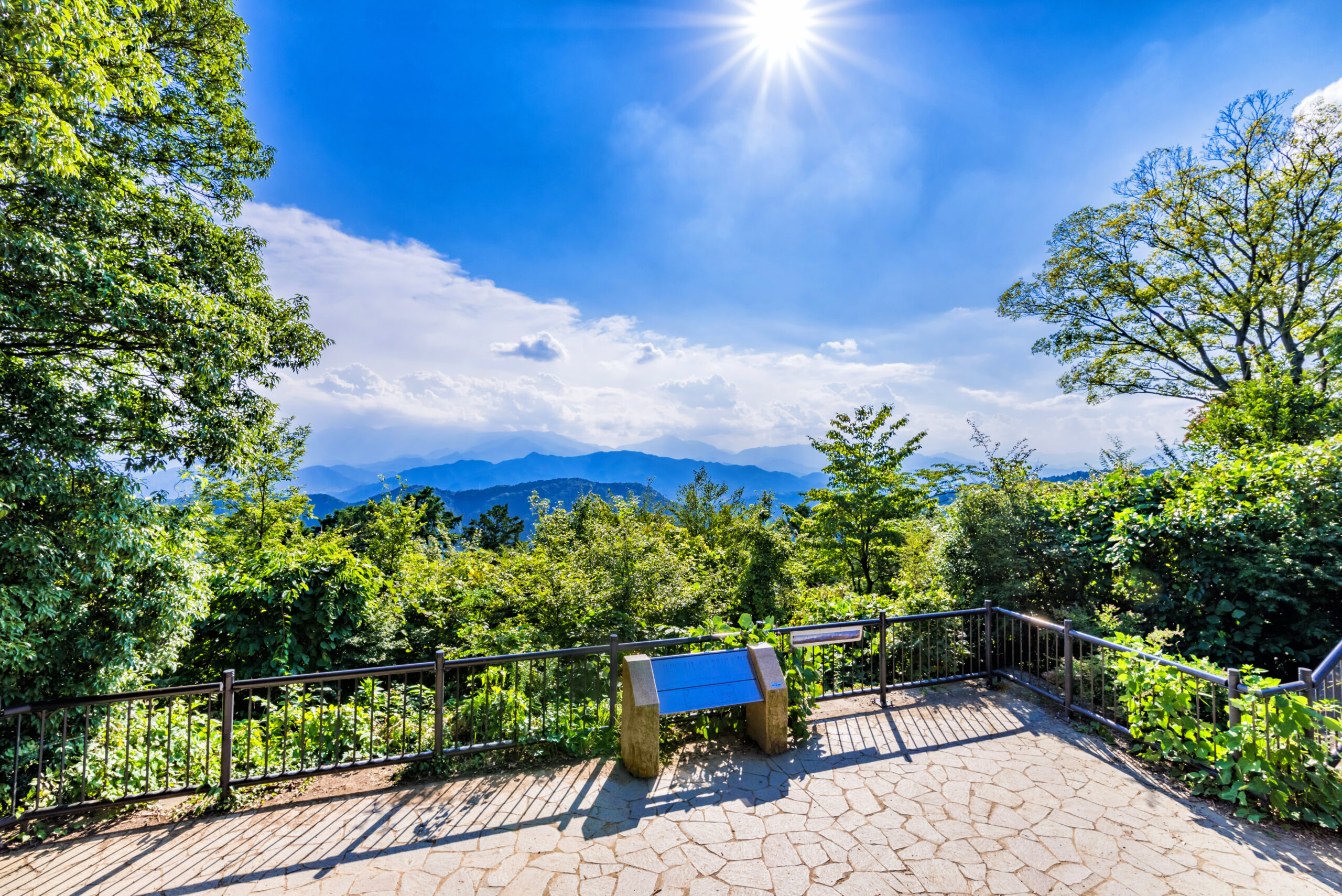
Tokyo Nature Spots: Essential Rules and Tips for Visiting Nature in Tokyo
Tokyo is known for its vibrant city life, but it also offers a wide range of natural spots—from peaceful parks and traditional gardens to forests, rivers, and mountains.
Whether you are visiting a famous garden, a shrine surrounded by trees, or a hiking area on the outskirts of the city, there is one important thing to understand:
Nature in Tokyo is carefully maintained, and visitors are expected to follow certain rules.
These rules are not always obvious, especially for international travelers. However, understanding them will help you avoid common mistakes, respect local culture, and enjoy your experience more fully.
This guide explains the essential things you should know before visiting Tokyo nature spots. Whether you are exploring popular Tokyo nature spots or hidden green spaces, these tips will help you travel responsibly.
What Counts as “Nature” in Tokyo?
Before discussing rules, it’s helpful to understand what “nature spots” mean in Tokyo.
They include:
- Public parks (e.g., large city parks)
- Traditional Japanese gardens
- Shrine and temple grounds with forests
- Riversides and walking paths
- Mountains and hiking areas
Each type of location may have slightly different rules, but many expectations are shared across all of them.
Why Rules Matter More in Japan
In many countries, outdoor spaces are more flexible, and rules may not be strictly followed. In Japan, however, the situation is different.
Tokyo’s natural spaces are:
- Clean and well-maintained
- Often crowded, especially during peak seasons
- Shared by locals and tourists
Because of this, visitor behavior plays a major role in maintaining these environments.
7 Essential Rules for Visiting Tokyo Nature Spots
- 1. Take Your Trash With You
- 2. Follow Signs and Stay in Designated Areas
- 3. Keep Noise to a Minimum
- 4. Respect Cultural and Sacred Spaces
- 5. Do Not Touch or Damage Plants
- 6. Be Mindful of Food and Picnics
- 7. Check Rules for Each Location
- Clear and Simple Trail System
- Limited Trash Bins and Strong Visitor Responsibility
- Managing Crowds Without Strict Restrictions
- What You Can Learn as a Visitor
- Clear Rules and Visible Guidance
- Controlled Environment for Preservation
- Cleanliness Through Shared Responsibility
- What Visitors Should Keep in Mind
1. Take Your Trash With You
One of the most surprising things for visitors is the lack of trash bins.
In Tokyo nature spots:
- Trash bins are limited or unavailable
- Visitors are expected to carry their own waste
What you should do:
- Bring a small bag for garbage
- Dispose of it at your hotel or designated locations
This is one of the most important habits in Japan and a key reason why places remain clean.
2. Follow Signs and Stay in Designated Areas
You will often see signs guiding where you can walk, sit, or enter.
Even in parks or gardens:
- Some areas are restricted
- Grass may not always be open for sitting
- Certain paths must be followed
Ignoring these rules can damage the environment or disrupt maintenance efforts.
3. Keep Noise to a Minimum
Nature spots in Tokyo are generally quiet spaces.
Loud behavior such as:
- Shouting
- Playing music
- Talking loudly on the phone
can disturb others and is considered inappropriate.
This is especially important in:
- Gardens
- Shrine or temple areas
- Quiet parks
4. Respect Cultural and Sacred Spaces
Many natural areas in Tokyo are connected to religious or cultural sites.
For example:
- Forests around shrines
- Temple gardens
- Historical landscapes
In these places:
- Avoid inappropriate behavior (e.g., loud talking, eating in restricted areas)
- Follow posted guidelines
- Be mindful that these are not just tourist attractions
5. Do Not Touch or Damage Plants
Even in public parks, plants are carefully maintained.
You should:
- Avoid picking flowers
- Not step into restricted green areas
- Stay on paths in garden settings
This helps preserve both the appearance and ecological balance of these spaces.
6. Be Mindful of Food and Picnics
Picnics are allowed in some parks, but not everywhere.
Before eating:
- Check if it is permitted
- Clean up completely after yourself
In more formal gardens or shrine areas, eating may be discouraged or prohibited.
7. Check Rules for Each Location
Not all nature spots have the same rules.
For example:
- Some parks allow alcohol, others do not
- Some gardens require entrance fees and have stricter guidelines
- Some areas may close earlier than expected
Tip: Always check signs at the entrance or official websites if available.
Common Situations and How to Handle Them
“There is no trash bin. What should I do?”
→ Carry your trash with you until you find a proper place to dispose of it.
“Can I sit anywhere in a park?”
→ Not always. Follow signs and observe what locals are doing.
“Is it okay to take photos?”
→ Generally yes, but avoid restricted areas and be respectful in cultural sites.
“Can I eat while walking?”
→ It is better to stop and eat in a designated or appropriate area.
A Real Example: Mount Takao as One of the Most Popular Tokyo Nature Spots
To better understand how these rules work in practice, let’s look at one of Tokyo’s most popular nature destinations: Mount Takao. Located about an hour from central Tokyo, Mount Takao attracts millions of visitors each year. Despite this high number, the area remains clean, organized, and well-preserved.
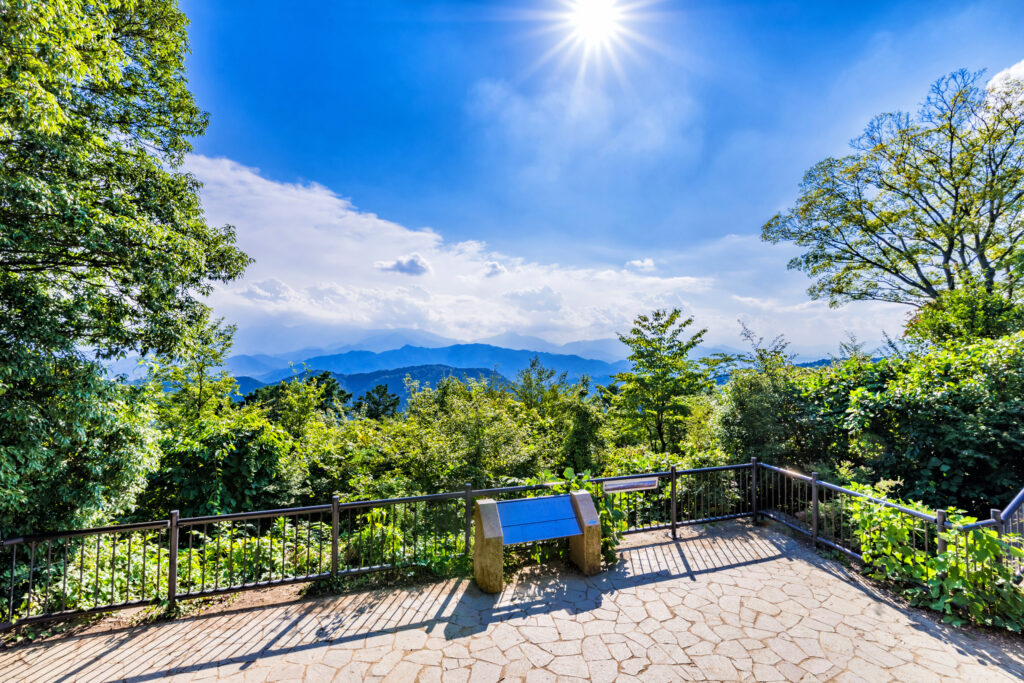
Clear and Simple Trail System
Mount Takao has multiple clearly marked trails for different levels of difficulty.
- Visitors are guided to stay on designated paths
- Signage is easy to understand, even for international travelers
- This helps prevent damage to plants and soil
Because of this system, even first-time visitors can explore the area without harming the environment.
Limited Trash Bins and Strong Visitor Responsibility
Just like many nature spots in Japan, Mount Takao has very few trash bins.
Instead, visitors are expected to:
- Carry their own trash
- Dispose of it properly after leaving
This approach may feel unusual at first, but it is one of the key reasons why the area remains clean.
Managing Crowds Without Strict Restrictions
Mount Takao can become very crowded, especially during weekends and autumn.
Instead of strict limitations, the area manages crowds through:
- Multiple routes to distribute visitors
- Cable cars to reduce congestion on certain trails
- Clear guidance to keep people moving smoothly
This allows large numbers of visitors to enjoy the area while minimizing environmental impact.
What You Can Learn as a Visitor
Mount Takao shows that protecting nature is not only about strict rules—it’s also about cooperation between visitors and management.
By following simple guidelines such as staying on paths and carrying your trash, you help maintain the environment for everyone.
This approach is not unique to Mount Takao. Similar ideas are applied across many Tokyo nature spots, making it easier for visitors to understand and follow consistent expectations.
A Different Approach: How Shinjuku Gyoen Maintains Order in an Urban Nature Space
While Mount Takao represents a more natural and expansive environment, Shinjuku Gyoen shows how nature is carefully managed within a busy urban setting.
Located in central Tokyo, this large garden attracts both locals and international visitors, especially during cherry blossom season. Despite its popularity, the park remains clean, quiet, and highly organized.
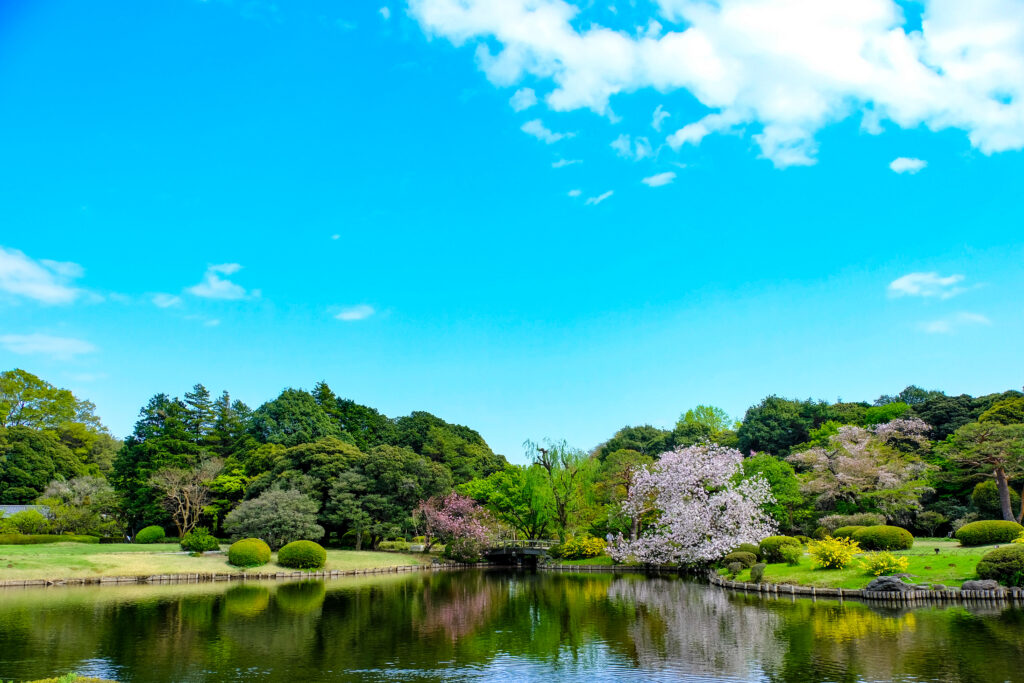
Clear Rules and Visible Guidance
Unlike more flexible public parks in some countries, Shinjuku Gyoen has clearly defined rules that are communicated to visitors.
For example:
- Alcohol is prohibited
- Certain areas restrict activities such as sports or large gatherings
- Visitors are asked to follow designated walking areas
These rules are displayed at entrances and throughout the park, making expectations clear even for first-time visitors.
Controlled Environment for Preservation
Shinjuku Gyoen is designed to maintain both its natural beauty and visitor experience.
- Entry is managed through ticketed access
- Opening hours are strictly enforced
- Staff regularly monitor the environment
This level of control helps prevent overcrowding and protects the landscape from damage.
Cleanliness Through Shared Responsibility
Even with many visitors, the park remains extremely clean.
This is supported by:
- Visitor awareness
- Limited but strategically placed facilities
- A culture of cleaning up after oneself
The result is a space where large numbers of people can enjoy nature without reducing its quality.
What Visitors Should Keep in Mind
When visiting Shinjuku Gyoen or similar urban nature spots:
- Always check and follow posted rules
- Do not assume activities allowed elsewhere are permitted
- Be mindful that the space is carefully managed
Shinjuku Gyoen demonstrates that even in one of the busiest cities in the world, nature can be preserved through clear rules, thoughtful design, and visitor cooperation. In Tokyo, enjoying nature and protecting it are not separate actions—they are part of the same experience.
Explore More Tokyo Travel Tips
Understanding how to behave in nature is just one part of traveling in Tokyo.
To make your trip smoother and more enjoyable, you may also want to read:
- Our guide on Japanese etiquette for tourists
- Safety tips for visiting Tokyo
- How to avoid crowds in popular areas
These guides will help you experience Tokyo more comfortably and respectfully.
About This Site
At The Wonderful Travel Tips, we focus on helping international travelers explore Japan more smoothly, respectfully, and deeply.
Our guides go beyond basic travel information. We explain not only where to go, but also how to experience places in a way that aligns with local culture and expectations.
By understanding these perspectives, you can avoid common mistakes, enjoy more meaningful experiences, and connect more naturally with Japan.
Explore more of our Tokyo guides to make the most of your trip.
The Wonder Travel Tips
Yuichi Yokoyama

コメント