Japan is known for its rich culture, cleanliness, and respectful social behavior. For many travelers, visiting Japan is not just about sightseeing—it’s about experiencing a different way of life.
However, Japan also has unique social expectations that may not be obvious to international visitors. These rules are often unwritten, but they are widely understood and followed.
Understanding Japanese etiquette for tourists will help you avoid common mistakes, show respect to locals, and enjoy a smoother, more meaningful travel experience.
- Why Etiquette Matters in Japan
- Why Etiquette Matters at Shrines and Temples
- Key Situations Where Etiquette Matters Most
- Shrine and Temple Etiquette: The Most Important Rules to Know
- Other Important Japan Etiquette Tips for Tourists
- A Real Example: Visiting a Major Shrine
- A Different Setting: Temples in Historic Areas
- What If You Make a Mistake?
- A Simple Mindset to Remember
- Final Thoughts
- Explore More Tokyo Travel Tips
- About This Site
Why Etiquette Matters in Japan
In Japan, etiquette is not just about politeness—it is about maintaining harmony in shared spaces.
You may notice:
- Quiet public environments
- Highly organized systems
- Strong awareness of others
Because of this, even small actions—such as where you stand, how loudly you speak, or how you behave in public—can have a big impact.
Why Etiquette Matters at Shrines and Temples
Shrines and temples are active places of worship, not just tourist attractions.
Visitors come here to:
- Pray
- Reflect
- Participate in traditional rituals
Because of this, behavior that might be acceptable in other tourist spots can be inappropriate here.
Key Situations Where Etiquette Matters Most
While etiquette applies everywhere, there are a few situations where it is especially important:
- Public transportation (trains and buses)
- Restaurants and food culture
- Streets and public spaces
- Shrines and temples
Among these, shrines and temples are two of the most important places to understand proper etiquette, as they are both cultural and spiritual sites.
Shrine and Temple Etiquette: The Most Important Rules to Know
Visiting shrines and temples is one of the highlights of traveling in Japan. However, these places are not just tourist attractions—they are active places of worship.
Below are the most important etiquette rules you should follow.
1. Bow Before Entering
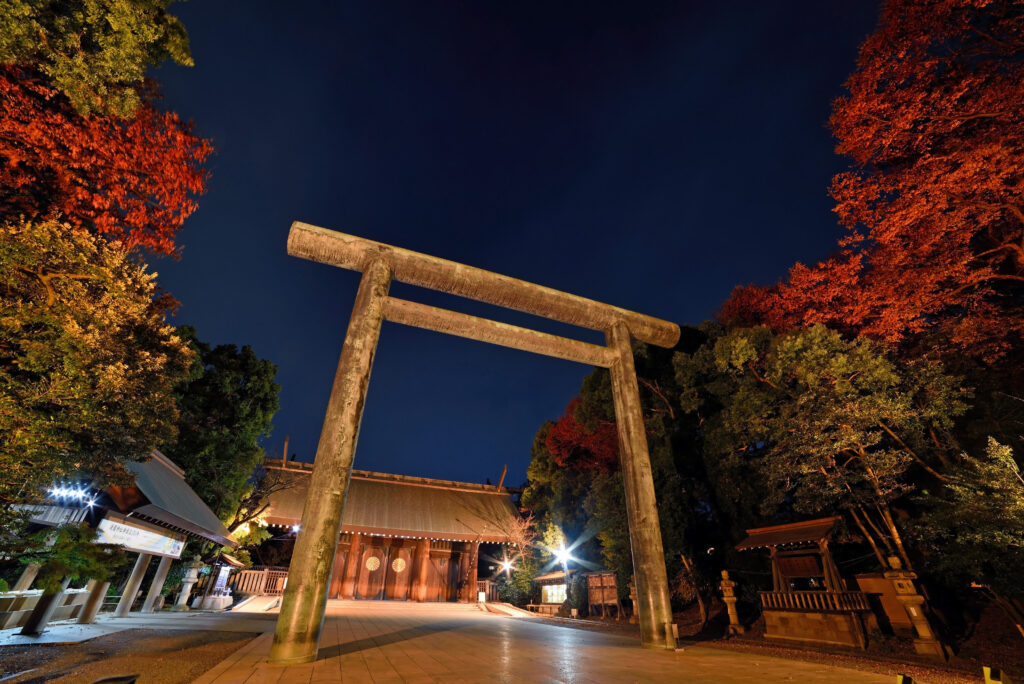
At shrine entrances, you will usually see a large gate called a torii.
- Stop briefly before passing through
- Make a small bow (a slight nod is enough)
This action shows respect when entering a sacred space.
Tip:
You don’t need a deep or formal bow—just a simple gesture is appreciated
2. Walk to the Side of the Path
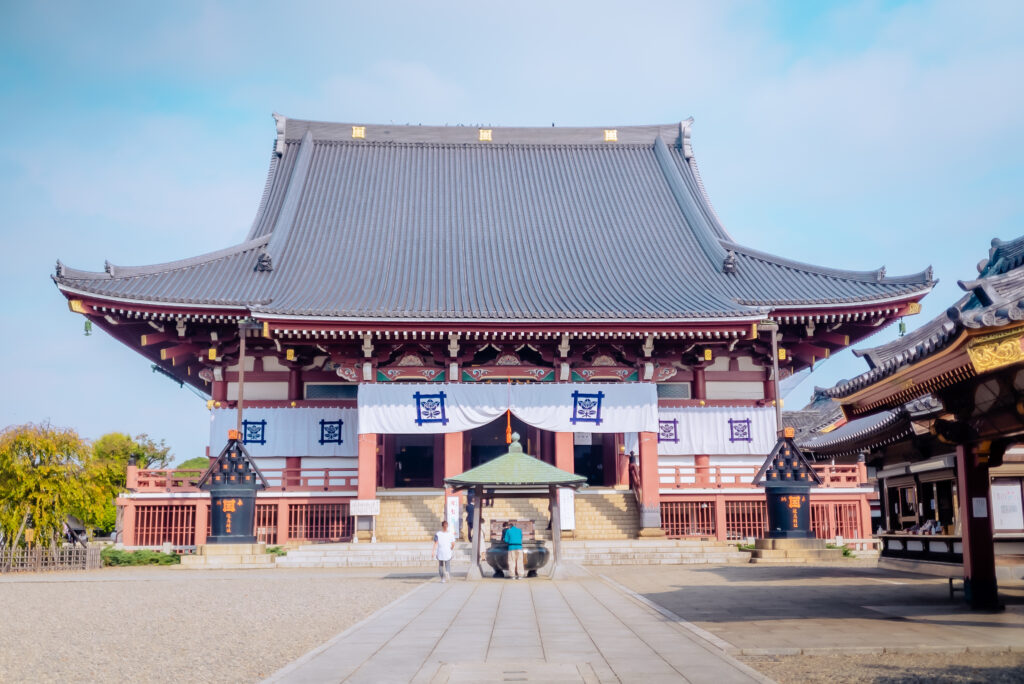
When walking through shrine grounds, especially the main approach path:
- Avoid walking in the center
- Walk slightly to the left or right
The center is traditionally considered the path of the gods (kami).
What to do in crowded areas:
Just be aware and avoid standing or blocking the center unnecessarily.
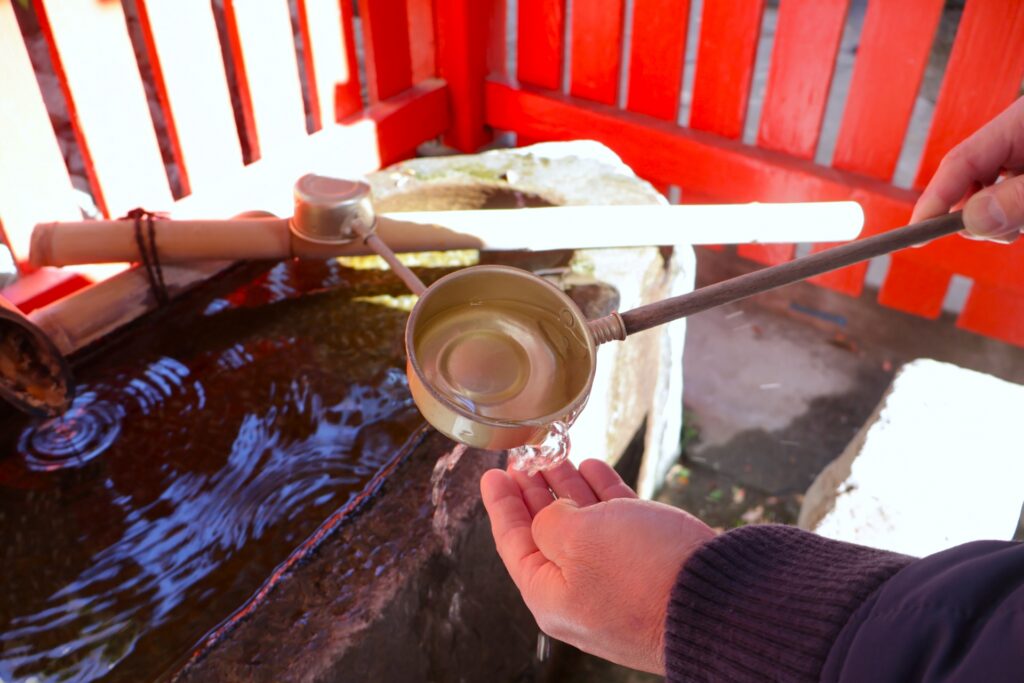
3. Cleanse Your Hands at the Water Pavilion
Most shrines have a purification fountain near the entrance.
Basic steps:
- Take the ladle with your right hand and rinse your left hand
- Switch hands and rinse your right hand
- Pour water into your left hand and rinse your mouth (do not drink directly from the ladle)
- Tilt the ladle to clean the handle
Important:
- Do not touch the ladle directly to your mouth
- This is symbolic—you don’t need to be perfect
4. Keep Noise to a Minimum
Shrines and temples are quiet places meant for reflection.
Avoid:
- Loud conversations
- Playing music
- Speaking on the phone
In crowded places:
You can talk, but keep your voice low and respectful.
5. Follow Prayer Etiquette
If you want to pray, there is a general method at shrines:
Shrines:
- Bow twice
- Clap twice
- Make a wish or prayer
- Bow once
Temples:
- Bow quietly
- Do not clap
Tip:
Even if you don’t follow the exact steps, a simple bow is always acceptable.
6. Be Careful with Photography
Photography rules vary, so always check signs.
Generally allowed:
- Outdoor areas
- General scenery
Often NOT allowed:
- Inside buildings
- Sacred objects
- Prayer areas
Important behavior:
- Do not photograph people while they are praying
- Avoid blocking paths to take photos
7. Do Not Touch Sacred Objects
Many objects have religious or cultural significance.
Avoid:
- Touching statues or decorations
- Entering restricted areas
- Crossing barriers
Even if something looks accessible, it may still be sacred.
8. Dress Appropriately
There is no strict dress code, but respectful clothing is recommended.
Avoid:
- Very revealing outfits
- Beachwear or overly casual clothing
Tip:
Smart casual is always safe.
9. Be Careful with Eating and Drinking in Shrine and Temple Areas
Eating and drinking rules can vary, but one key idea applies:
Sacred areas are not for casual eating.
Where You Should NOT Eat
Avoid eating in:
- Main worship areas
- Paths leading to the shrine or temple
- Quiet or sacred spaces
These areas are meant for prayer and reflection.
Where Eating May Be Allowed
You may eat in:
- Designated rest areas
- Benches near entrances
- Areas with food stalls (usually outside main grounds)
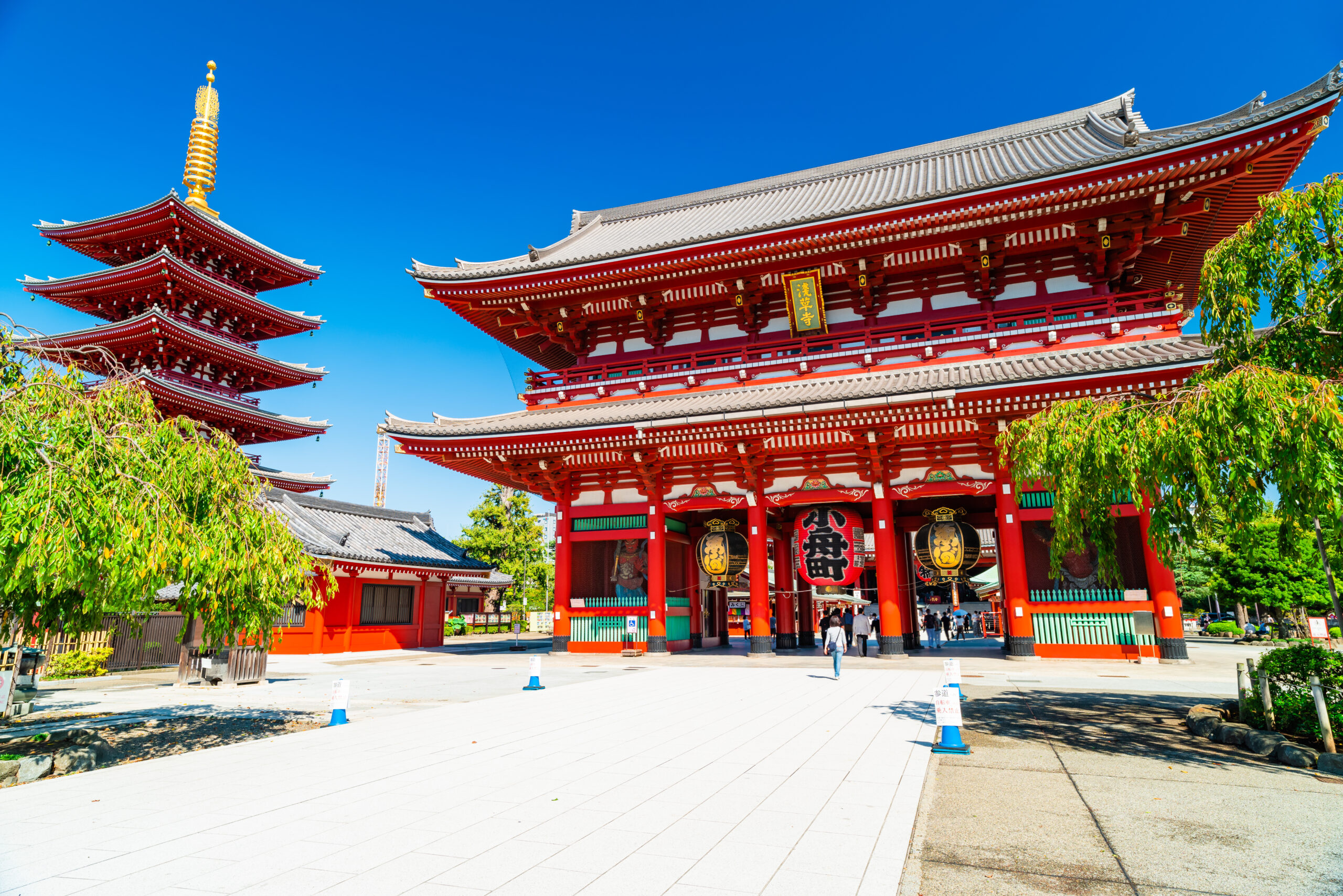
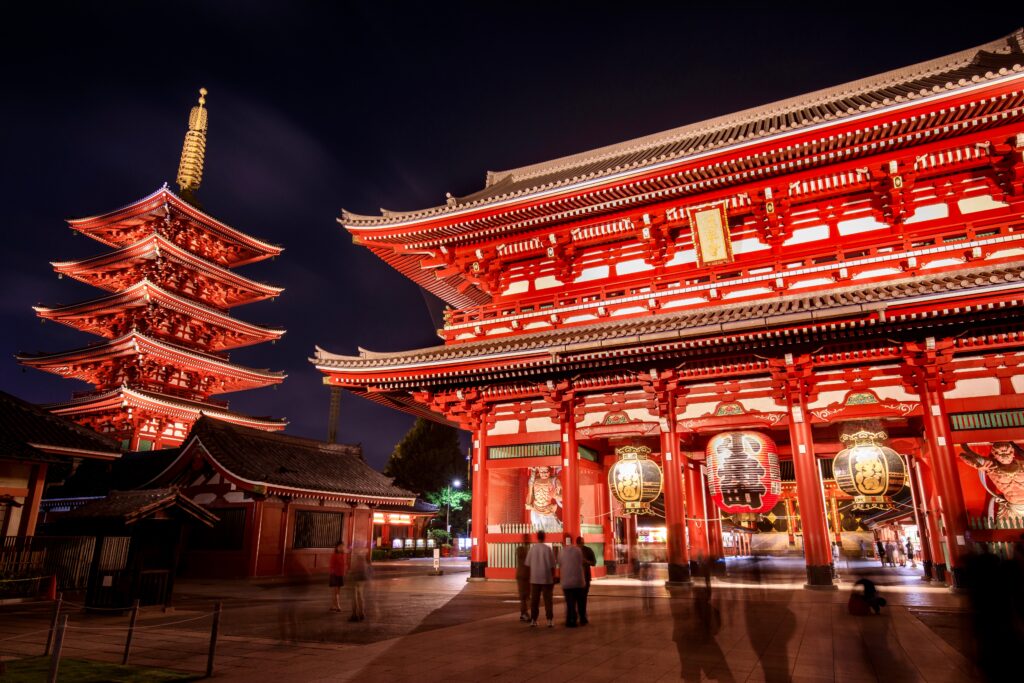
For example, at Senso-ji Temple, street food is common along the approach, but eating should stop before entering the main temple area.
Avoid Eating While Walking
In Japan, eating while walking is generally discouraged.
Instead:
- Stop in one place
- Finish your food before moving
Drinking Water
Drinking water is usually acceptable, but:
- Avoid doing so directly in front of the main hall
- Step aside if needed
Why This Rule Exists
This is not just about cleanliness.
Shrines and temples are:
- Religious spaces
- Cultural heritage sites
- Quiet environments
Avoiding eating helps preserve the atmosphere.
Simple Rule to Remember
Ask yourself:
“Is this a place for eating or for reflection?”
If it feels quiet and sacred, don’t eat.
10. Respect Signs and Local Practices
Every shrine and temple is slightly different.
- Some areas restrict photography
- Some prohibit certain activities
- Some have unique local customs
Best approach:
- Read signs carefully
- Observe what others are doing
- When unsure, choose the more respectful option
By following these rules, you can enjoy visiting shrines and temples while respecting their cultural and spiritual significance.
Other Important Japan Etiquette Tips for Tourists
Even well-intentioned travelers sometimes make mistakes.
Taking Photos Where It’s Not Allowed
Many visitors assume photography is always permitted.
Skipping the Purification Ritual
Not required, but skipping it without awareness can feel disrespectful.
Treating the Area Like a Park
Shrines and temples are not casual hangout spots.
A Real Example: Visiting a Major Shrine
At popular locations like Meiji Shrine, you will see a mix of tourists and locals.
Despite the crowds:
- People remain quiet
- Visitors follow purification rituals
- Paths are respected
By observing others, you can quickly understand the expected behavior.
A Different Setting: Temples in Historic Areas
In places like Senso-ji Temple, the atmosphere may feel more lively due to the surrounding shops and street activity.
However, once inside the temple grounds:
- Behavior becomes more respectful
- Photography rules may be stricter
- Visitors are expected to follow etiquette
What If You Make a Mistake?
Don’t worry too much.
Japanese people generally understand that visitors may not know all the rules.
If you:
- Act politely
- Show awareness
- Adjust your behavior
You will be fine.
A Simple Mindset to Remember
If you remember one thing, it should be this:
Act as if you are visiting a quiet, meaningful place—not just a tourist attraction.
This mindset will naturally guide your behavior.
Final Thoughts
Learning Japanese etiquette for tourists—especially in shrines and temples—can greatly enhance your travel experience.
These places offer a deeper connection to Japanese culture, but they also require a certain level of respect.
By following simple rules and being mindful of your behavior, you can enjoy these cultural sites in a way that is both respectful and rewarding.
Explore More Tokyo Travel Tips
Planning to explore more of Tokyo? You may also find these guides helpful:
- Tokyo nature spots and essential rules
- Safety tips for visiting Tokyo
- How to avoid crowds in popular areas
About This Site
At The Wonderful Travel Tips, we help international travelers explore Japan more smoothly, respectfully, and deeply.
Our goal is to bridge the gap between visitors and local culture—so you can enjoy not only where to go, but how to experience Japan the right way.
The Wonder Travel Tips
Yuichi Yokoyama

コメント