
Introduction
Akihabara is globally recognized as the center of anime, manga, and gaming culture. Unlike districts where anime appears mainly as a storytelling backdrop, Akihabara is both a real location and a cultural symbol of Japan’s pop-media industry.
Known as “Electric Town” after World War II, Akihabara gradually evolved into a global hub for anime merchandise, figure shops, gaming arcades, and themed cafés. Today, it represents one of the most immersive anime spots in Tokyo, where visitors can directly experience modern Japanese pop culture.
This guide introduces major anime places to visit in Akihabara, focusing on locations that illustrate how fiction, commerce, and fan culture intersect.
Why Akihabara Is Central to Anime Culture
Akihabara differs from districts like Shinjuku or Shibuya. Those areas appear in anime because of their urban atmosphere. Akihabara, however, is frequently portrayed because it represents anime culture itself.
Anime creators often use Akihabara to express:
- speed and density of urban life
- emotional isolation within crowds
- dramatic night scenery
- contrast between business districts and quiet neighborhoods
For visitors, this means many anime scenes take place in areas that are already part of standard sightseeing routes.
What Makes Akihabara Unique for Anime Travelers
Akihabara offers an interactive experience rather than passive sightseeing.
Visitors can:
- Purchase official anime merchandise
- Play arcade games featured in anime settings
- Visit themed cafés connected to anime aesthetics
- Explore specialty stores dedicated to specific series or creators
The district also demonstrates how anime culture influences retail design, advertising, and urban identity.
Iconic Anime Spots in Shinjuku
Below are representative locations that highlight Akihabara’s cultural importance and are easily accessible for travelers.
Akihabara Electric Town Exit – Gateway to Anime Culture
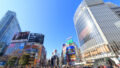
The Electric Town Exit of Akihabara Station serves as the symbolic entrance to the anime district. Many anime series use the surrounding streets as visual shorthand for otaku culture and technology-driven entertainment.
Large electronic billboards, character advertisements, and themed storefronts create a distinctive atmosphere immediately upon exiting the station.
Nearest station:
- Akihabara Station (JR Yamanote Line / Keihin-Tohoku Line / Sobu Line / Tokyo Metro Hibiya Line / Tsukuba Express)
How to get there:
Exit through the Electric Town Exit and step directly into the main anime shopping area. Most major anime locations are within walking distance.
This area is ideal for visitors wanting to experience the iconic first impression of Akihabara, often portrayed in anime.

Radio Kaikan – Symbol of Modern Otaku Commerce
Radio Kaikan is one of Akihabara’s most famous buildings and frequently appears in anime and pop-culture media. The building houses multiple specialty shops selling figures, trading cards, collectibles, and limited-edition merchandise.
Its dense concentration of niche stores reflects the commercial ecosystem that supports anime fandom.
Nearest station:
- Akihabara Station (Electric Town Exit)
How to get there:
Radio Kaikan is located directly across from the station exit, making it one of the easiest anime-related landmarks to visit.
The building allows visitors to experience how anime culture expands beyond entertainment into collector communities and specialty retail markets.

Mandarake Complex – Archive of Anime and Manga History
Mandarake Complex is one of the largest second-hand anime and manga specialty stores in Japan. Unlike typical retail shops, Mandarake functions almost like a museum of pop culture history.
Visitors can find rare manga editions, vintage anime merchandise, production materials, and collector items representing multiple decades of anime evolution.
Nearest station:
- Akihabara Station (Electric Town Exit)
How to get there:
A 5-minute walk from the station through the main shopping streets.
Mandarake is especially meaningful for visitors interested in understanding the historical development of anime culture and fan communities.
Super Potato – Retro Gaming Culture in Anime
Super Potato is a legendary retro gaming store specializing in classic consoles and games from the 1980s and 1990s. Many anime referencing nostalgic gaming culture reflect environments similar to this store.
The interior recreates an atmosphere that mirrors early Japanese gaming arcades and living-room gaming culture.
Nearest station:
- Akihabara Station
How to get there:
Approximately a 7-minute walk from the Electric Town Exit through Chuo-dori Street.
Super Potato demonstrates how video game culture and anime fandom have historically influenced each other.
Akihabara Chuo-dori – The Main Pop Culture Street
Chuo-dori is Akihabara’s central avenue, lined with anime shops, arcades, cafés, and merchandise stores. On weekends, the street sometimes becomes pedestrian-only, creating a festival-like atmosphere.This street frequently appears in anime, portraying Akihabara as a cultural stage where fandom becomes part of public life.
Nearest station:
- Akihabara Station
How to get there:
A short walk from the station, easily accessible through the Electric Town Exit.
Walking along Chuo-dori allows visitors to observe how anime imagery shapes real urban branding and visual culture.
How to Explore Shinjuku as an Anime Fan
A recommended route:
- Start at Shinjuku Station
- Walk to Shinjuku Gyoen for a calm contrast
- Explore shopping and cafés
- Visit Kabukicho in the evening
- End with night views from the Metropolitan Government Building
This route mirrors how anime often contrasts day and night within the same district.
Where to Stay in Tokyo?
A recommended exploration route includes:
- Start at Akihabara Station, Electric Town Exit
- Visit Radio Kaikan for merchandise and collectibles
- Explore Mandarake Complex for historical and rare items
- Walk along Chuo-dori to experience street-level anime culture
- End with gaming experiences at arcades or retro game stores
This route balances shopping, cultural exploration, and entertainment experiences.
How to Explore Shinjuku as an Anime Fan
Akihabara represents the commercial and cultural center of anime fandom. However, Tokyo’s anime landscape includes many different styles and themes.
To continue exploring:
👉 Anime Spots in Shinjuku – modern urban storytelling and emotional city scenes
👉 Anime Spots in Shibuya – youth culture, fashion, and iconic Tokyo imagery
Each district reveals a different perspective on how anime reflects Tokyo life.
Where to Stay in Tokyo
For visitors focusing on anime tourism, staying near major transportation hubs is highly recommended. Popular areas include:
- Shinjuku area hotels: here
- Shibuya area hotels: here
- Roppongi area hotels: here
- Asakusa area hotels: here
- Shinagawa area hotels: here
These districts provide excellent rail access, making it easy to visit Akihabara and other anime locations across the city.
On this website, we introduce carefully selected accommodations around these major stations, prioritizing accessibility, comfort, and convenience for international travelers.
Summary and About This Website
This article explored anime spots in Akihabara, highlighting how the district represents the commercial and cultural core of anime fandom. Unlike locations that simply appear in anime, Akihabara demonstrates how fiction, retail, and community culture merge into a real-world experience.
Our website is operated by professionals with backgrounds in MBA studies, IT consulting, and strategic advisory, supported by native-level English editing. We provide cultural, tourism, and business insights about Japan for global readers.
Through high-quality content, we aim to deepen understanding of Japan while building connections between visitors, culture, and future business opportunities.
The Wonderful Travel Tips
Yuichi Yokoyama

コメント