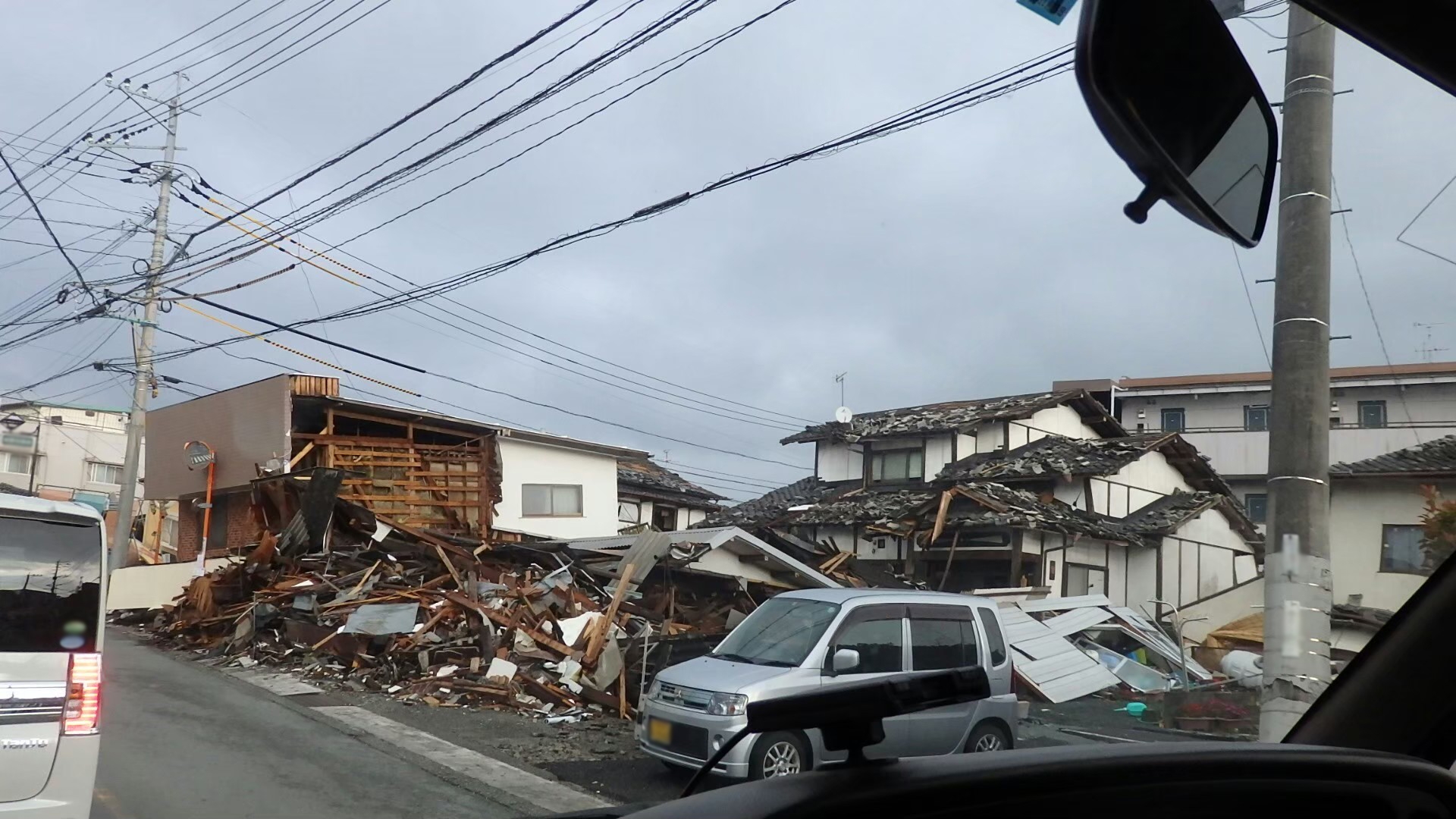
Tokyo is often ranked as one of the safest cities in the world. For many travelers, safety is one of the main reasons to visit Japan.
But what does “safe” actually mean in Tokyo? And are there any risks you should still be aware of?
In this guide, we’ll answer the question “Is Tokyo safe?” and provide practical safety tips to help you travel confidently and avoid common problems.
- Is Tokyo Safe for Tourists?
- Why Tokyo Is Considered So Safe
- Visible Security Infrastructure
- Social Awareness
- Is Tokyo Safe at Night?
- Areas Where You Should Be More Careful
- Crowded Tourist Areas
- Common Safety Issues Tourists Should Know
- Essential Safety Tips for Visiting Tokyo
- Use Reliable Transportation
- Avoid Following Strangers
- Keep Emergency Information Handy
- Safety in Public Transportation
- A Real Example: Safety in Everyday Tokyo Life
- What Makes Tokyo Feel Safe for Visitors
- What If Something Happens?
- Final Thoughts
- Explore More Tokyo Travel Tips
- About This Site
Is Tokyo Safe for Tourists?
The short answer is: Yes, Tokyo is extremely safe for tourists.
Compared to many major cities around the world:
- Violent crime is very rare
- Pickpocketing is uncommon
- Public transportation is safe even at night
You can generally walk around Tokyo—even late at night—without feeling unsafe.
However, “safe” does not mean “risk-free.” Like any large city, there are still situations where you need to be careful.
Why Tokyo Is Considered So Safe
Tokyo’s safety is not just luck—it is supported by several factors.
Strong Public Order
Japan places a high value on rules and social behavior.
- People follow laws and guidelines
- Public spaces are orderly
- Crime rates remain low
Visible Security Infrastructure
You may notice:
- Police boxes (koban) throughout the city
- Security cameras in public areas
- Well-lit streets
These features help maintain a sense of safety.
Social Awareness
One of the most important factors is how people behave.
- Respect for others
- Awareness of surroundings
- Low tolerance for disruptive behavior
This creates a safer environment for everyone
Is Tokyo Safe at Night?
Yes, Tokyo is generally safe at night.
- Trains run late
- Streets are well-lit
- People are often out even after midnight
Even solo travelers can feel comfortable walking in most areas.
However, there are some exceptions.
Areas Where You Should Be More Careful
While Tokyo is safe overall, certain areas require more awareness.
Nightlife Districts
Places like:
- Shinjuku (Kabukicho)
- Roppongi
are popular for nightlife and entertainment.
In these areas:
- Avoid following aggressive promoters
- Do not enter bars without clear pricing
- Be cautious of scams targeting tourists
Crowded Tourist Areas
Locations such as:
- Shibuya Crossing
- Asakusa
- Harajuku
are very crowded.
While crime is still rare, you should:
- Keep your belongings secure
- Stay aware of your surroundings
Common Safety Issues Tourists Should Know
Even in a safe city like Tokyo, there are a few common issues.
1. Bar and Club Scams
In some nightlife areas:
- You may be invited into a bar by a promoter
- Prices may not be clearly explained
- You could be charged unexpectedly high fees
Tip:
Only enter places with clear menus and pricing.

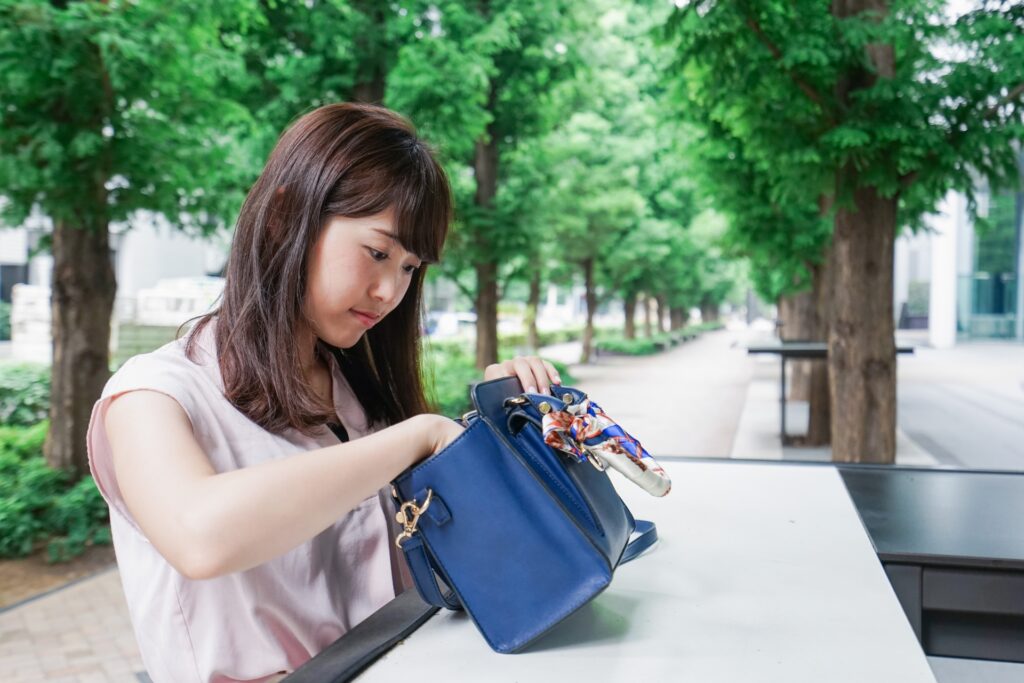
2. Lost Items
Interestingly, losing items is less of a “crime” issue and more of a “recovery” situation.
- Lost wallets and phones are often returned
- Police stations and train offices handle lost items efficiently
Still, you should:
- Keep track of your belongings
- Report lost items quickly
3. Natural Disasters
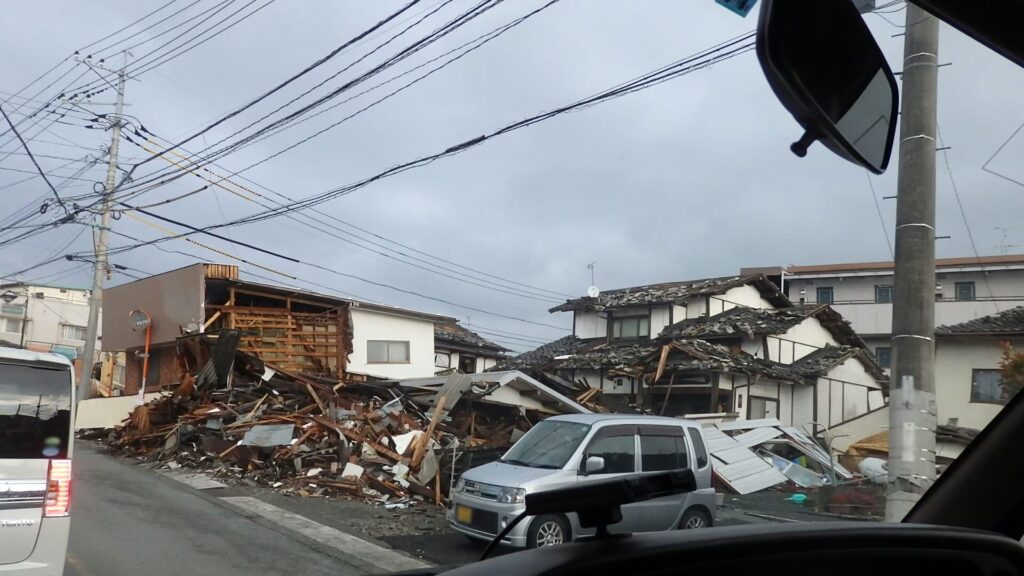
Japan experiences:
- Earthquakes
- Typhoons
These are not everyday occurrences, but you should be aware.
Basic tips:
- Follow local instructions
- Check weather alerts
- Stay calm
Essential Safety Tips for Visiting Tokyo
Stay Aware in Busy Areas
Even though crime is low:
- Keep your bag closed
- Avoid placing valuables in back pockets
Use Reliable Transportation
Tokyo’s transportation system is:
- Safe
- Clean
- Easy to use
Avoid unofficial taxis or unclear services.
Avoid Following Strangers
If someone approaches you aggressively:
- Politely decline
- Walk away
This is especially important in nightlife districts.
Keep Emergency Information Handy
Useful numbers:
- Police: 110
- Ambulance/Fire: 119
You can also ask for help at police boxes (koban).
Safety in Public Transportation
Tokyo’s trains and buses are among the safest in the world.
However:
- They can be extremely crowded during rush hour
- Be mindful of personal space
- Keep your belongings secure
Women-only train cars are also available during peak hours.
A Real Example: Safety in Everyday Tokyo Life
One of the most noticeable things in Tokyo is how safe everyday situations feel.
For example:
- People leave bags on seats while ordering food
- Children travel alone on trains
- Lost items are often returned
While you should not fully rely on these behaviors, they reflect the high level of trust in society.
What Makes Tokyo Feel Safe for Visitors
Safety in Tokyo is not just about low crime rates—it is about the overall environment.
Visitors often notice:
- Clean streets
- Organized systems
- Respectful behavior
These elements create a sense of comfort and security.
What If Something Happens?
Even in rare cases where something goes wrong:
- Police are accessible and helpful
- Staff at stations and stores are willing to assist
- English support is often available in major areas
Do not hesitate to ask for help.
Final Thoughts
So, is Tokyo safe?
Yes—Tokyo is one of the safest cities in the world for tourists.
However, being aware of your surroundings and understanding local conditions will make your trip even smoother.
By following simple safety practices, you can enjoy Tokyo with confidence and peace of mind.
Explore More Tokyo Travel Tips
Planning your trip to Tokyo? You may also find these guides helpful:
- Japan etiquette for tourists
- Tokyo nature spots and essential rules
- How to avoid crowds in Tokyo
About This Site
At The Wonderful Travel Tips, we help international travelers explore Japan more smoothly, respectfully, and deeply.
Our goal is to bridge the gap between visitors and local culture—so you can enjoy not only where to go, but how to experience Japan the right way.
The Wonder Travel Tips
Yuichi Yokoyama

コメント