- Introduction
- Taishō Period (1912–1926)
- ① Social and Cultural Characteristics
- ② Symbolic Events and Figures
- Shōwa Period (1926–1989)
- ① Social and Cultural Characteristics
- ② Symbolic Events and Key Figures
- Heisei Period (1989–2019)
- ② Social and Cultural Characteristics
- ② Symbolic Events and Figures
- Reiwa Period (2019–Present)
- ① Social and Cultural Features
- ② Symbolic Events and Figures
- Summary
- About Our Site & Hotel Recommendations
Introduction
The modern history of Japan from the Taishō period to the Reiwa era represents one of the most dynamic and transformative phases in Japanese History. Following the rapid industrialization and nation-building of the Meiji era, Japan entered the Taishō period—a time characterized by democratic expansion, modernization of culture, and increasing public participation in governance. This trajectory shifted dramatically during the early Shōwa era, when economic instability and rising nationalism led to militarism, total war, and eventual defeat in World War II.
Japan’s post-war reconstruction under Allied occupation dramatically reshaped its institutions, legal foundations, and international role, resulting in a democratic state with a pacifist constitution. The latter decades of the Shōwa era witnessed unprecedented economic growth—often described as the Japanese Economic Miracle—which transformed Japan into a global industrial and technological power.
The subsequent Heisei period brought new challenges: the collapse of the economic bubble, shifting labor systems, population decline, globalization, and technological acceleration. Major natural disasters and social restructuring marked this era as one of resilience, adaptation, and redefinition. In the current Reiwa era, Japan continues to evolve, facing demographic realities, advancing digital governance, strengthening national security policy, and reinforcing its cultural influence through global media, innovation, and diplomacy.
Together, these four eras illustrate Japan’s journey from imperial militarism to democratic governance, from economic boom to stabilization, and from industrial nation-state to a technologically advanced society navigating global challenges. This modern phase of Japanese History highlights the country’s capacity for reinvention, resilience, and progressive transformation.
Taishō Period (1912–1926)
Overview of the Taishō Period in Japanese History
The Taishō period represents a transitional era in Japanese History, marked by the gradual shift from autocratic imperial rule to democratic governance, the modernization of society, and increasing political participation of the public. Following the powerful modernization policies of the Meiji era, the Taishō era experienced political liberalization known as Taishō Democracy, expansion of civil rights, rising party politics, and continued industrial and economic growth. At the same time, Japan increased its presence in global affairs during World War I, strengthening its position as an emerging world power. The era is often characterized as a time when modern culture, democratic ideals, and mass media reshaped Japan’s national identity.
① Social and Cultural Characteristics
- Growth of Parliamentary Government and Taishō Democracy
Political governance shifted toward greater parliamentary influence during the Taishō period due to the emperor’s poor health and the strengthening of elected officials and political parties.
Key developments include:- Expansion of electoral rights and the rise of political parties such as the Seiyūkai and Kenseikai.
- Emergence of shugo and daimyō councils to manage local conflicts, taxation, and land disputes.
- Decentralization led to frequent regional skirmishes, setting the stage for the Sengoku period.
This political shift marked one of the earliest movements toward representative government in Japanese History.
- Social Change and Expansion of Civil Rights
The Taishō era saw significant social reform and modernization:- Universal male suffrage was enacted in 1925.
- Workers’ rights movements and labor unions grew stronger.
- Women’s social activism expanded, particularly in education, employment, and political visibility.
These shifts reflected a move toward modern democratic values.
- Cultural Modernization and Taishō Romanticism
The Taishō period witnessed a cultural shift toward urban modernity and individual expression:
- Popularization of mass media, including newspapers, magazines, film, and radio.
- Growth of Taishō Modern, blending Western fashion, architecture, and lifestyle with Japanese identity.
- Literary movements such as Taishō Romanticism and proletarian literature emerged, representing new intellectual freedom.
These shifts reflected a move toward modern democratic values.
- Economic Growth and Industrial Advancement
Japan continued industrial expansion from the Meiji era:- Development of heavy industries, shipping, and manufacturing
- Increased urbanization and growth of consumer markets
- Japan gained international economic influence following World War I, benefiting from global demand
However, economic instability toward the end of the period foreshadowed future challenges.
- Foreign Relations and International Standing
Japan emerged as a major participant in international diplomacy:- Participation in World War I and territorial gains in Asia
- Membership in the League of Nations
- Washington Naval Treaty (1922) limited naval expansion, reflecting global efforts to balance military power
Japan’s global role increased significantly, reshaping its geopolitical posture in Japanese History.
② Symbolic Events and Figures
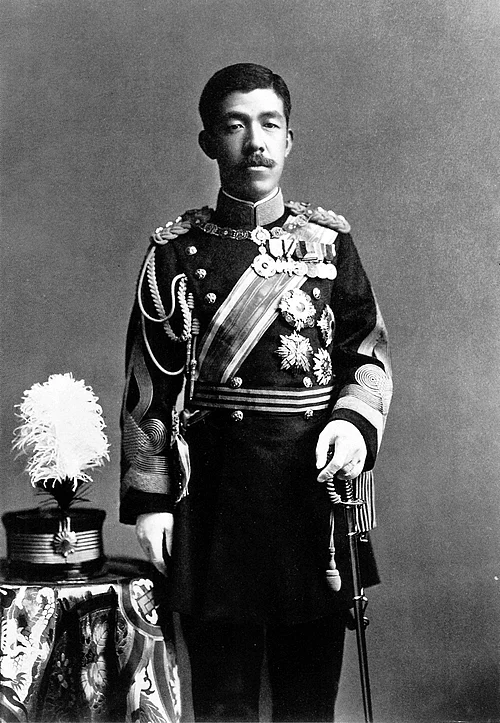
- Emperor Taishō:Symbol of political transition and limited imperial involvement, which enabled the rise of parliamentary governance.
- Hara Takashi (Hara Kei): First commoner prime minister; expanded democratic governance.
- Universal Male Suffrage Law (1925): Marked a milestone in the democratization of Japanese politics.
- Japan’s Participation in World War I: Strengthened Japan’s international power and diplomatic influence.
- Great Kantō Earthquake (1923): Major national disaster impacting urban development, economy, and population movement.
 (
(Shōwa Period (1926–1989)
Overview of the Shōwa Period in Japanese History
The Shōwa period represents one of the most transformative and complex eras in Japanese History, spanning militarism, total war, defeat, occupation, democratization, industrial recovery, and rapid economic expansion. Beginning under Emperor Shōwa (Hirohito), Japan shifted from the parliamentary reforms initiated in the Taishō era toward authoritarian governance and imperial expansion in Asia. The escalation of military influence led to the Second Sino-Japanese War, World War II, and ultimately national devastation.
Following Japan’s surrender in 1945, the country entered a pivotal occupation period under Allied authority, leading to the adoption of a new constitution, demilitarization, protection of civil rights, and the restructuring of governance and industry. In the post-war decades, Japan experienced remarkable economic growth, international reintegration, and modernization, emerging as a global technological and economic power. The Shōwa era thus encapsulates dramatic shifts—from empire to democracy, from ruin to prosperity—making it a defining chapter in modern Japanese History.
① Social and Cultural Characteristics
- Rise of Militarism and Imperial Expansion
During the early Shōwa years, political instability and global economic depression intensified nationalist sentiment and military influence. Civilian governments weakened, and key decisions increasingly originated from military leadership.
Key developments included:- National mobilization laws and suppression of political dissent.
- Expansion into Manchuria and escalation of conflicts across Asia.
- Nationalist ideology emphasizing loyalty, emperor worship, and sacrifice
This period marked a drastic departure from democratic progress seen during the Taishō era.
- Wartime Mobilization and Total War
Japan’s entry into the Second Sino-Japanese War (1937) and World War II required nationwide economic and social mobilization. Industries prioritized military production, and propaganda shaped cultural expression. Civilians endured rationing, air raids, and wartime labor assignments.
This total mobilization became one of the most defining wartime transformations in Japanese History
- Postwar Reconstruction and Democratization
Following defeat in 1945, Japan underwent sweeping reforms under Allied occupation (1945–1952):- Establishment of the 1947 Constitution, emphasizing pacifism and parliamentary democracy.
- Expansion of civil rights and freedom of speech.
- Land reforms reducing aristocratic and large landholder influence.
- Redefinition of the Emperor as a symbolic figure rather than a political authority.
These shifts established the foundation of modern Japanese governance and civil society.
- Rapid Economic Growth and Social Modernization
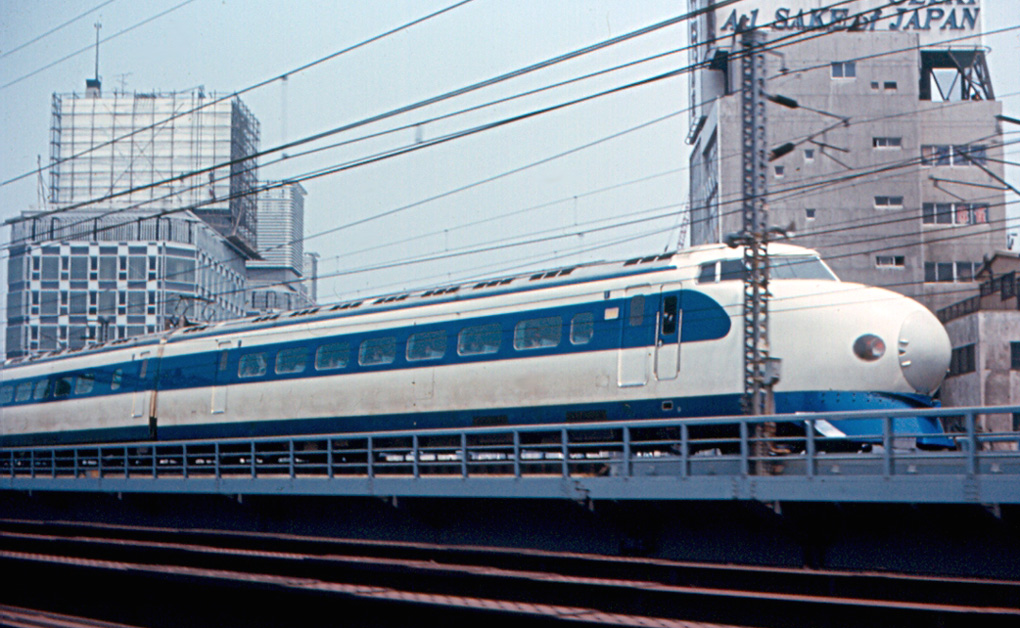
From the mid-1950s to the early 1970s, Japan experienced dramatic economic expansion known as the “Japanese economic miracle.”Major characteristics included:- Industrial growth in the automobile, steel, consumer electronics, and infrastructure sectors.
- Rising living standards, urbanization, and mass middle-class formation.
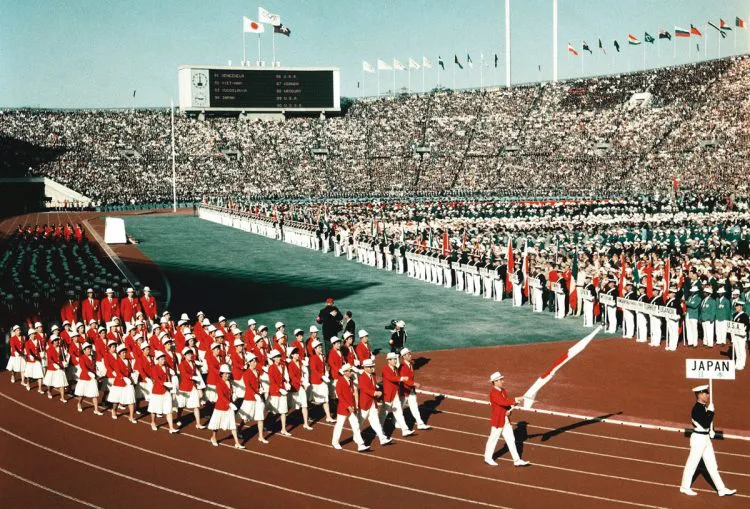
- Hosting of the 1964 Tokyo Olympics and 1970 Osaka Expo as symbols of global reintegration.
- Cultural Globalization and Technological Innovation
Late Shōwa society saw the rise of modern pop culture, technological advancement, and international cultural exchange.- Growth of television, manga, film, and commercial mass media.
- International influence from companies like Sony, Toyota, Honda, and Panasonic.
By the end of the era, Japan became a major global cultural and economic presence.
② Symbolic Events and Key Figures
- Manchurian Incident (1931)(Events): Sparked Japanese expansionism in Asia, strengthened military control in government, and marked the beginning of full-scale imperial policy shifts in Japanese History.
- Second Sino-Japanese War (1937–1945)(Events): A prolonged conflict that escalated Japan’s militarism and contributed to regional instability, ultimately leading to World War II.
- Attack on Pearl Harbor (1941)(Events): Japan’s entry into World War II, expanding the conflict to a global scale and reshaping geopolitical power dynamics.
- Atomic Bombings of Hiroshima and Nagasaki (1945)(Events): Catastrophic events that accelerated Japan’s surrender and became defining turning points in modern Japanese and world history.
- Japanese Surrender & Allied Occupation (1945–1952)(Events): Transition period involving constitutional reform, demilitarization, and democratization under Allied oversight.
- 1964 Tokyo Olympics(Events): Symbolized Japan’s recovery, modernization, and reintegration into the global community.
- Economic Miracle & Oil Shocks (1950s–1970s)(Events): Period of massive industrial growth followed by international economic challenges shaping Japan’s economic policy and industrial structure.
 (
(Heisei Period (1989–2019)
Overview of the Heisei Period in Japanese History
The Heisei period represents a modern era in Japanese History marked by profound social, economic, technological, and political transformation. Beginning after the economic boom of the late Shōwa years, Japan entered the Heisei era with high expectations of continued prosperity. However, the burst of the asset price bubble in the early 1990s triggered prolonged economic stagnation known as the “Lost Decades.”
Throughout this period, Japan faced rapid demographic changes, including declining birthrates and a rapidly aging population, reshaping government policy, labor structures, and social systems. The Heisei era also witnessed major natural disasters, such as the 1995 Great Hanshin Earthquake and the 2011 Great East Japan Earthquake, which deeply influenced national resilience, infrastructure policy, and energy debate.
At the same time, globalization, digitalization, and the rise of Japanese popular culture—anime, video games, fashion, and technology—propelled Japan to global cultural prominence. The Heisei era concludes as an age of adaptation, introspection, and modernization within contemporary Japanese History.
② Social and Cultural Characteristics
- Economic Stagnation and the “Lost Decades.”
After the burst of Japan’s economic bubble around 1991–1992, the country entered a long period of low growth, deflation, and structural economic challenges. Key developments included:- Banking crises and accumulation of non-performing loans.
- Decline in lifetime employment and seniority-based wage systems.
- Corporate restructuring and globalization of business strategy.
The economic downturn significantly influenced policy reform and societal attitudes toward work, finance, and stability.
- Demographic Change and Social Transformation
The Heisei period experienced unprecedented demographic challenges:- Declining birthrate and the lowest recorded fertility levels.
- Rapid population aging and a shrinking workforce.
- Re-evaluation of immigration policy, labor reform, and social welfare.
These demographic issues became central long-term policy themes in contemporary Japanese History.
- Natural Disasters and National Resilience
Japan faced multiple catastrophic natural events:- The Great Hanshin Earthquake (1995) devastated Kobe and the surrounding regions
- The Tōhoku Earthquake and Tsunami (2011) caused mass destruction, triggering the Fukushima Daiichi nuclear disaster.
These events reshaped disaster preparedness, local governance, infrastructure policy, and energy security frameworks.
- Technological Advancement and Digital Society
The Heisei era positioned Japan as a global leader in technology, manufacturing, and consumer innovation:- The rise of global companies such as Toyota, Sony, Nintendo, and Honda.
- Expansion of robotics, electronics, and automotive industries.
- Digitalization of communication and information systems.
However, competition from emerging global markets shifted Japan from rapid expansion to technological refinement and specialization.
- Globalization of Japanese Pop Culture
Japanese media and culture gained global influence during the Heisei era:- Anime and manga became international cultural exports.
- Japanese cuisine, fashion, and entertainment gained global recognition.
- Soft power strategies expanded cultural diplomacy.
Pop culture became one of the defining cultural signatures of modern Japanese History.
② Symbolic Events and Figures
- Burst of the Economic Bubble (1991–1992)(Events): Marked the end of Japan’s rapid postwar growth and the beginning of prolonged deflation and structural economic reform.
- Great Hanshin Earthquake (1995)(Events): A major national disaster that reshaped urban planning, emergency management, and disaster response systems.
- 1995 Tokyo Subway Sarin Attack(Events): Exposed vulnerabilities in public security and shifted national policy toward counterterrorism.
- 2008 Global Financial Crisis(Events): Further challenged Japan’s fragile economic recovery, reinforcing the need for structural and fiscal reform.
- Great East Japan Earthquake and Fukushima Disaster (2011)(Events): One of the most defining tragedies of the Heisei era, influencing energy policy, environmental debate, and national identity.
- Tokyo Wins 2020 Olympic Bid (2013)(Events): Symbol of Japan’s effort to reestablish global confidence and strengthen national revival.
 (
(Reiwa Period (2019–Present)
Overview of the Reiwa Period in Japanese History
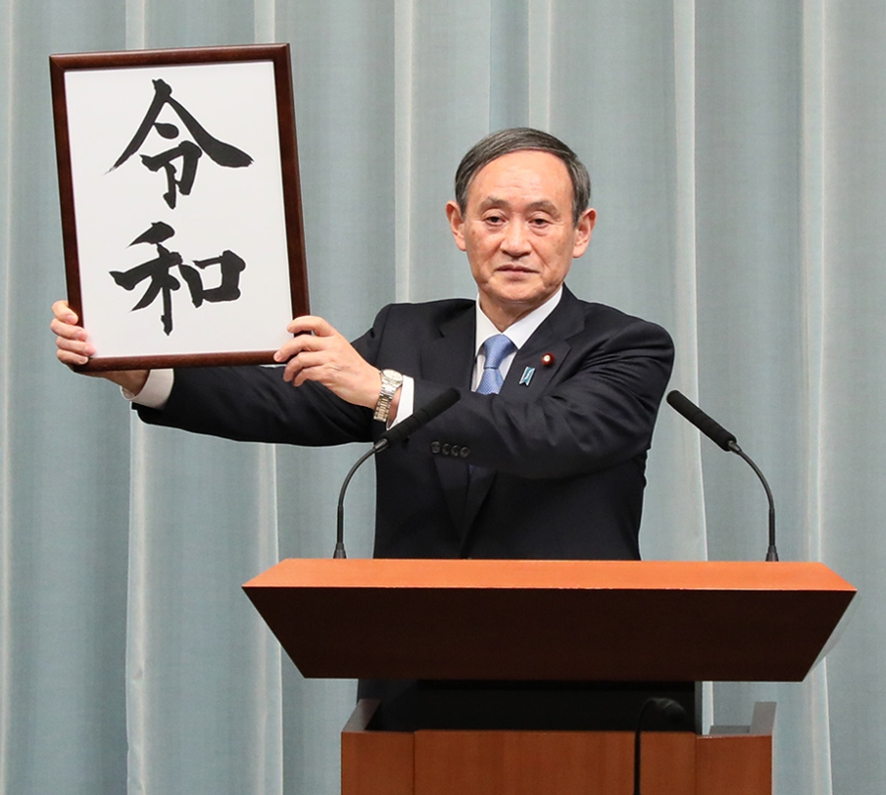
The Reiwa period marks the most recent chapter in Japanese History, beginning with the historic abdication of Emperor Akihito and the accession of Emperor Naruhito in 2019. This era unfolds during a time of rapid global change, technological acceleration, and complex domestic challenges, including population decline, digital transformation, and shifts in geopolitical dynamics.
The COVID-19 pandemic became one of the earliest defining moments of the era, impacting public health, social structure, economic activity, and Japan’s international relations. Government policy is increasingly focused on modernization, resilience, sustainability, and social reform. Meanwhile, technological innovation—including AI, robotics, renewable energy, and advanced medical science—positioned Japan to pursue new competitive and societal models.
Culturally, the Reiwa era continues Japan’s global influence through entertainment, design, cuisine, and media, while also redefining work culture with remote work, labor reform, and renewed debate around immigration and diversity. The Reiwa period represents a stage of adaptation and redefinition in modern Japanese History, balancing tradition with innovation.
① Social and Cultural Features
- Digital Transformation and Social Modernization
The Reiwa era accelerated large-scale technological adoption across public institutions and private sectors:- Expansion of digital governance (Digital Agency established in 2021).
- AI-based automation, smart infrastructure, and robotics integration.
- Increased reliance on digital communication, especially during COVID-19.
This shift represents a modernization phase essential for Japan’s future competitiveness.
- Pandemic Impact and Structural Reform
The COVID-19 pandemic reshaped life in Japan and affected policy and social behavior:- Border closures and public health mobilization.
- Changes in corporate culture, including remote work and flexible employment systems.
- Heightened focus on healthcare readiness, public safety, and social welfare reform.
The pandemic accelerated debates surrounding sustainability, resilience, and national preparedness in Japanese History.
- Demographic and Immigration Policy Evolution
Japan continued to face advanced demographic challenges:- Low birthrate and an increasing elderly population.
- Labor shortages in healthcare, manufacturing, and service sectors.
- Gradual expansion of foreign worker programs.
These shifts encouraged broader discussions on diversity, national identity, and social inclusion.
- Renewed Global Presence and Diplomacy
In the Reiwa era, Japan pursued a strengthened diplomatic position:- Participation in Indo-Pacific security frameworks.
- Development of defense policy, modernization, and increased national security spending.
- Continued leadership in climate policy, environmental agreements, and technology collaboration.
These policies situate Japan as a stabilizing power in East Asia.
- Cultural Continuity and Global Influence
Japan’s cultural exports remain globally impactful:- Worldwide popularity of anime, gaming, film, design, and fashion.
- Tourism recovery initiatives and expanded cultural diplomacy.
- Integration of modern and traditional aesthetics into global cultural identity.
Cultural expression remains a central soft-power asset in Japan’s Reiwa-era presence.
② Symbolic Events and Figures
- Emperor Naruhito’s Enthronement (2019)(Events): Marked the beginning of the Reiwa era and the first imperial succession following abdication in over 200 years.
- COVID-19 Pandemic Response (2020–2023)(Events): Transformational event influencing healthcare systems, economy, and social structure.
- Tokyo 2020 Olympics (Held in 2021)(Events): First postponed Olympics in world history, symbolizing resilience and global connection under crisis.
- Establishment of the Digital Agency (2021)(Events): Major administrative reform positioning digital governance as a national priority.
- Defense and Security Policy Shift (2022–Present)(Events): Marked Japan’s increasing strategic role in the Indo-Pacific and modernization of defense policy.
Summary
The history of Japan from the Taishō era to the Reiwa era illustrates a dynamic narrative of political reform, conflict, recovery, modernization, and global influence within the broader context of Japanese History. Beginning with the rise of democratic governance during the Taishō period, Japan briefly experienced expanded civil rights, political participation, and cultural modernity before shifting into the authoritarian and militarized state of the early Shōwa era. World War II and Japan’s defeat marked a profound rupture, leading to occupation reforms and the establishment of a pacifist constitution that laid the foundation for modern governance.
In the post-war Shōwa years, Japan experienced unprecedented industrial growth and technological advancement, emerging as a major global economy and cultural presence. The Heisei era that followed reflected a new phase of maturity and reassessment, shaped by economic stagnation, demographic transformation, natural disasters, and a shift from rapid growth to stability and innovation. As the global influence of Japanese pop culture expanded, Japan continued to redefine itself in a rapidly changing world.
The ongoing Reiwa era symbolizes a future-oriented chapter where Japan navigates technological acceleration, evolving social structures, climate and security challenges, and changing global dynamics. Throughout these eras, Japan has continuously balanced continuity with reinvention—preserving cultural heritage while adapting to global transformation. This period of Japanese History demonstrates not only the resilience of the nation but its continuing pursuit of modernization, identity, and relevance in an interconnected world.
About Our Site & Hotel Recommendations
Our site provides detailed area-based sightseeing guides for Tokyo travel. We offer insights on culture, food, and events in neighborhoods such as Roppongi and Asakusa, helping visitors make the most of Tokyo Travel.
If you are looking for hotels near these events and attractions, check out the following:
◆ Shinjuku area hotels: here
◆ Shibuya area hotels: here
◆ Roppongi area hotels: here
◆ Asakusa area hotels: here
◆ Shinagawa area hotels: here
The Wonderful Travel Tips
Yuichi Yokoyama


コメント